
Accelerated Commercial Pilot Training

Nebraska Flight Center is proud to offer training in partnership with Iowa Western Community College
Professional Aeronautics Certificate (PAC)
The Professional Aeronautics Certificate (PAC) is an accelerated career-pathway program strategically designed to take students from zero experience to Commercial Pilot License (CPL) in just 12–16 months without requiring a traditional four-year aviation degree.
Regulated by the Federal Aviation Administration (FAA), PAC serves students in Western Iowa and the Greater Omaha, NE area. PAC was built to address the global pilot shortage by producing highly trained, safety-focused, jet-ready graduates prepared for careers in commercial aviation, corporate flight departments, and airline operations worldwide.
Developed in partnership with Iowa Western Community College, Nebraska Flight Center and former Embry-Riddle Aeronautical University professor, Dr. Chris Johnson, PAC produces commercial pilots in fraction of the time and cost as traditional college flight programs.
Program Highlights
- Non-degree certificate focused strictly on FAA licenses required for employment
- Part-time (standard program): 15–20 hours per week for 12–16 months
- Full-time (optional): 30–40 hours per week for 6–9 months
- Simple progression: Private → Instrument → Commercial → Instructor Pilot (optional)
PAC is designed for:
- Traditional college students who want a non-aviation degree
- Career-changing adults who do not want or need a degree
- Military veterans
- High school seniors seeking an early start in aviation
Program Structure & FAA Certification Pathway
Ground school is held at Iowa Western Community College in Council Bluffs, IA, and flight training is conducted at Blair Executive Airport.
These locations provide access to:
- Controlled and uncontrolled airspace
- Seasonal, Midwest weather systems
- Low- and high-density traffic environments
- Picturesque cross-country corridors
PAC students complete one certification per semester in a clear, linear progression:
PPL → IFR → CPL → CFI / CFII
Semester 1: Private Pilot License (PPL)
- Earn FAA Private Pilot License (single-engine)
- Train for safe flight under visual flight rules (VFR)
- ~60-70 flight hours + ~5 simulator hours
Semester 2: Instrument Rating (IFR)
- Earn FAA Instrument Flight Rating
- Learn to fly in clouds and low-visibility conditions under instrument flight rules (IFR)
- ~60 flight hours + ~25 simulator hours
Semester 3: Commercial Pilot License (CPL)
- Earn FAA Commercial Pilot License (single-engine)
- ~200 total flight hours + ~50 simulator hours (minimum combined experience)
- Eligible for paid commercial flying positions
Semester 4 (Optional): Certified Flight Instructor (CFI/CFII)
- Certified Flight Instructor (CFI)
- Certified Flight Instructor Instrument (CFII)
- Preferential consideration for open instructor positions
Multi-Engine (Optional)
- Multi-Engine rating and optional Multi-Engine Instructor (MEI) certification
- One-on-one instruction with flexible scheduling
PAC uses a blended learning format combining in-person classroom instruction, structured online coursework, and individualized flight and ground training. Students may rent aircraft between semesters to continue building flight time.
Training Format & Weekly Commitment
PAC is structured as a part-time professional program with an accelerated full-time option.
Part-Time Commitment: 15–20 hours/week for 12–16 months
- 3–4 hours of structured classroom instruction (typically evenings)
- 5–7 hours of flight training (typically three days per week)
- 5–10 hours of independent study and flight preparation
Full-Time Commitment: 30-40 hours / week for 6-9 months
- 6–8 hours of online learning + one-on-one ground instruction
- 10–14 hours of flight training (typically 5-6 days per week)
- 10–20 hours of independent study and flight preparation
Flight schedules require flexibility due to weather, maintenance, and resource availability.
Career Path After Graduation
Upon earning their CPL (~250 total flight hours), graduates typically build time as:
- Certified Flight Instructors (CFI/CFII)
- Charter or cargo Pilots
- Corporate flight crew
- Aerial survey or specialized operators
Once pilots reach 1500 total hours and obtain an Airline Transport Pilot (ATP) certificate, they are eligible for positions at airlines and advanced corporate and cargo operations.
PAC is structured to produce competitive applicants prepared for long-term aviation careers, not simply certificate completion.
Why the Pilot Shortage Matters
A sustained workforce shortage in aviation is expected for the next 10-20 years due to:
- Mandatory retirement at age 65
- Aging aviation workforce
- Continued global air travel growth
- Increased training pipeline constraints
- Military-to-civilian pilot transition declines
- Expansion of unmanned systems and advanced air mobility aircraft
These factors have strengthened long-term demand for commercial pilots, allowing them to earn higher salaries and enjoy faster career progression than ever before.
Return on Investment & Career Outlook
This hiring environment is widely considered one of the strongest in aviation history.
- Strong pilot shortage projected for the next 10–20 years
- First officers enter regional airlines at ~$80,000-$100,000 annually
- Rapid upgrade timelines compared to previous decades
- Mid-career salaries often exceed $300,000 annually, working 13-15 days per month
PAC requires less time and often less total investment than most bachelor’s degree programs while offering access to a high-income professional career path.
Aviation Technology
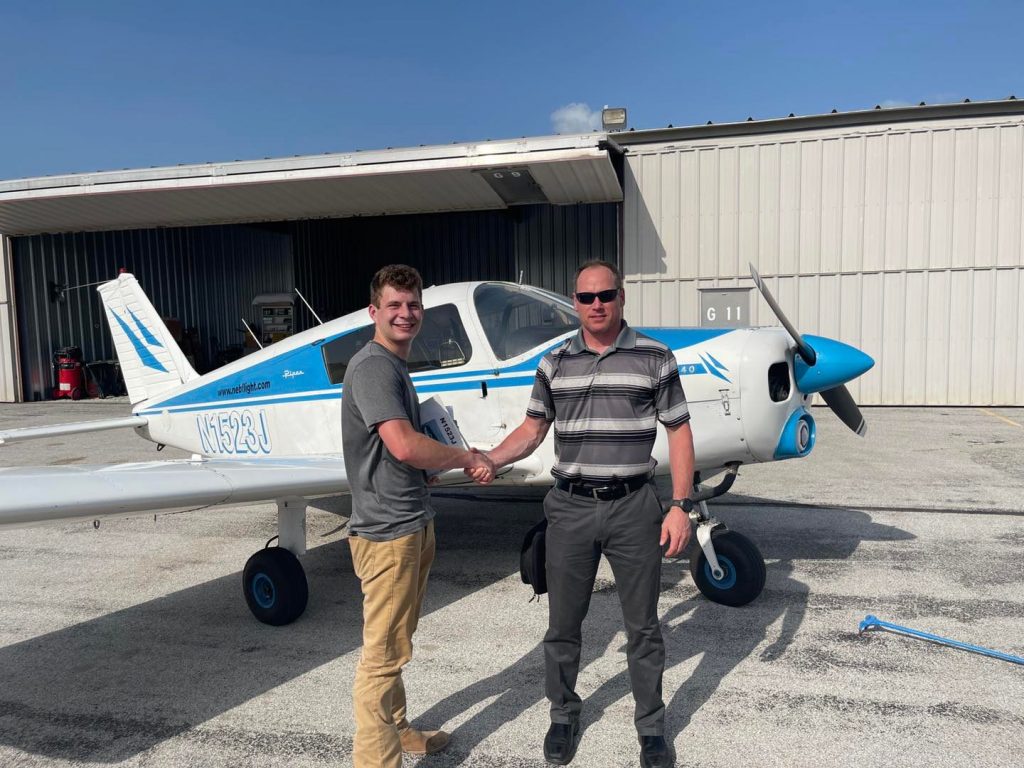
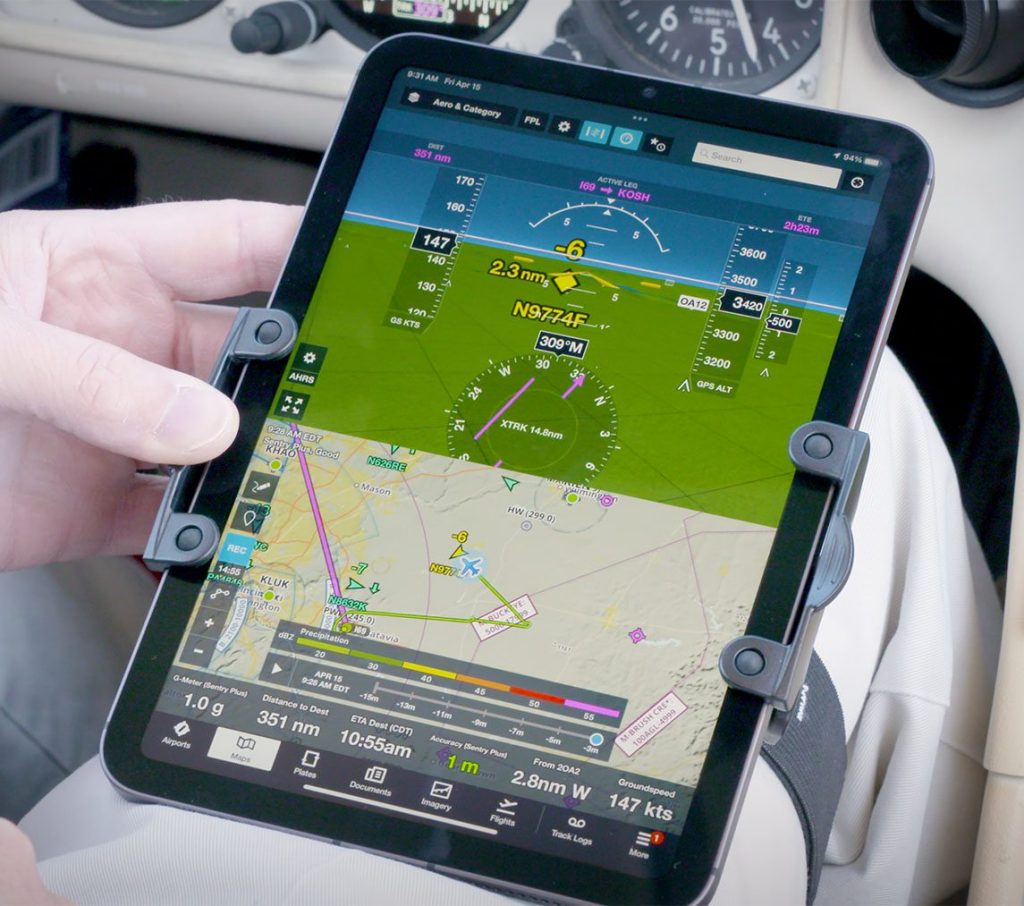
Students will be trained in aircraft featuring advanced avionics with digital displays, GPS navigation and autopilot capability. Students will also carry tablet computers into the cockpit where they will learn to use Electronic Flight Bag (EFB) software. EFBs are the industry standard for comprehensive flight planning and weather forecasting, so PAC students will fly like professionals from day one.
Advanced Simulations
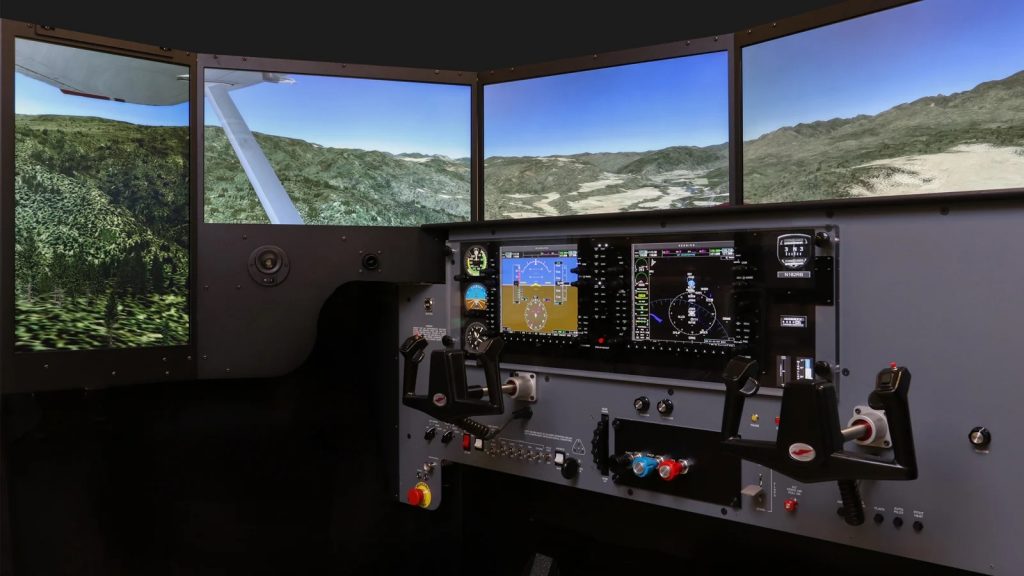
The PAC program also employs Advanced Aviation Training Devices (AATDs). AATDs accurately simulate the flight characteristics of the aircraft as well as the functionality of its avionics and other electro-mechanical systems. The simulation environment includes photo-realistic 3D scenery, realistic weather effects and accurate representation of tens of thousands of airports worldwide. AATDs are certified by the FAA for students to log up to 50 hours of actual flight time toward their Commercial Pilot License (CPL) and up to 20 hours towards an IFR rating.
Unique to the PAC program is an AI-driven weather simulator that gives students access to realistic weather scenarios. One of the biggest challenges of simulator-based flight training is finding a weather scenario that fits the various training objectives of students at different levels of training, so this one-of-a-kind software recreates historical weather events to fulfill user-specified training goals. It was developed with research funding from the FAA to improve flight training and increase safety, and its inventor is PAC’s architect, Dr. Christopher Johnson (see bio below).
Pricing Information
Private Pilot License (PPL)
Tuition: $1,000
Flight Fees: $16,401
Exam Fees: $1,175
Other Fees: $3,378
Total Cost: $21,954
Instrument Flight Rating (IFR)
Tuition: $1,000
Flight Fees: $24,079
Exam Fees: $1,275
Other Fees: $1,055
Total Cost: $27,409
Commercial Pilot License (CPL)
Tuition: $1,000
Flight Fees: $17,270
Exam Fees: $1,275
Other Fees: $485
Total Cost: $20,030
PAC Program Total Cost: $74,006
Flight Instructor (FIA), optional
Tuition: $1,000
Flight Fees: $3,707
Exam Fees: $1,450
Other Fees: $526
Total Cost: $6,298
Commercial Multi-addon, optional
Tuition: $0
Flight Fees: $6,391
Exam Fees: $1,100
Other Fees: $590
Total Cost: $8,081
Program Developer and Manager
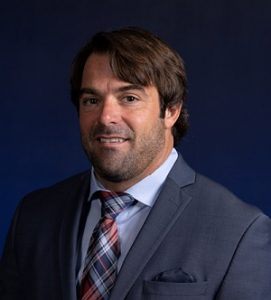
Dr. Chris Johnson
PhD, CFI, CFII, MEI
Prior to building the PAC program, Dr. Chris Johnson was an Assistant Professor at Embry-Riddle Aeronautical University, which is the world’s largest aviation university. He is an Air Force Veteran, commercial pilot, and certified flight instructor (CFI) with CFII and MEI ratings. He earned his PhD in engineering from the University of Wisconsin – Madison in 2012 where he worked for over 12 years and built the foundation of the PAC program.
Johnson created Pilot Training System, which is the aviation industry’s only FREE online ground school with over 70,000 YouTube subscribers. He built PAC to help mitigate the international pilot-shortage crisis by producing the industry’s most qualified graduates to work for airlines and corporate flight departments worldwide.
Frequently Asked Questions (FAQs)
Applicants should turn 17 years of age in the same year they start the PAC program. Applicants under age 18 must have legal guardian or parent approval to enroll. Students must be citizens or permanent alien residents of the United States with no history of felony criminal convictions. Excessive use of alcohol or use of most prescription drugs, all illegal drugs, marijuana or any cannabis-derived products (including CBD in any form) is strictly prohibited. Substance use violations are grounds for immediate expulsion.
Applicants must possess a valid class 1 or class 2 FAA medical certificate at the time of application, and they are expected to maintain their medical status throughout the duration of the program. Some medical certificates may be deferred 6 to 12 months or more, and students with deferred medicals will be admitted to PAC on a case-by-case basis. For more information on applying for an FAA medical certificate, please contact us.
PAC is an accelerated, targeted, vocational program for aspiring professional aviators that is more flexible, less time-consuming and faster than the rigid, full-time commitment required for an associate or bachelor’s degree in aviation. Since PAC only requires 15-20 hours of work each week, high school students can dual-enroll in PAC while finishing high school. This allows them to enter the aviation workforce 1-2 years ahead of their peers, which is valued at $150,000-$200,000 per year. PAC is also designed to attract returning adult students looking for an exciting new career. PAC allows them to work part-time to pay bills while earning their professional flight certifications. In fact, PAC is also a valuable alternative for traditional college students considering an aviation college or university. Specifically, PAC is not tied to an aviation degree, which allows our students to earn a degree in ANYTHING they choose while simultaneously earning their professional flight certifications. This has an advantage over aviation colleges whose degrees are generally related to aviation science or aviation management because those skills cannot be applied to earn money outside of aviation. PAC students, however, can earn degrees and certifications in areas outside of aviation, allowing them to work remotely while sitting around airports and hotels between flights.
Financing is available through a variety of private lenders who specialize in flight training and can offer the most competitive rates. We invite you to secure your own lender, but we can recommend one of our preferred lenders after we have had a chance to review your financing plan. Loan eligibility depends on your credit history and in many cases requires a qualified co-signer. Scholarships and grants are also available.
Right now is an ideal time to start flight training. The pilot-shortage crisis that the industry faced in 2017, 2018, and 2019 was only paused briefly by the COVID-19 pandemic. The demand for air travel slumped during the pandemic but bounced back to exceed pre-pandemic demand in 2023. With increases in baby boomer retirements amidst growing demands for pilots in traditional cockpits (manned aviation) and new aviation markets (unmanned aviation), pilot hiring is forecast to be stronger than any other period in history for at least the next decade. This is why aviation companies are paying higher salaries than ever before, and many of them are offering large signing bonuses that substantially offset the cost of flight training.
Graduates typically either work for private or charter operators or as instructor pilots to build the 1500 hours required to earn an Airline Transport Pilot (ATP) license. An ATP license is required to work for most airlines, major cargo operators and corporate flight departments that operate jet aircraft. Flight instructors and new commercial pilots can expect to earn $40,000-$60,000 per year, and after 15-20 months of experience / hour-building, graduates typically move on to be First Officers at regional airlines or captains at charter flight departments, earning $80,000-$150,000 per year. Career airline pilots enjoy competitive salaries with comprehensive benefits packages, annual raises, union representation and travel perks for themselves and friends and family, and they can earn salaries over $500,000 within 10-12 years of joining a major air carrier such as Delta, American, United, FedEx, or UPS whose most senior Captains work only 10-13 days per month.
Airline pilots fly scheduled passenger or cargo flights and must hold an Airline Transport Pilot (ATP) license, the highest FAA qualification. However, all pilots must start their professional aviation careers by earning their private pilot licenses. Next, they earn instrument ratings to fly in the clouds and low visibility, and then they obtain a commercial pilot license before they can apply for an ATP license. There is a minimum of 1,500 hours of flight experience required to hold an ATP license, so commercial pilots most often choose to become flight instructors and work at a school teaching new pilots while building their hours before taking the ATP licensing exam. The ATP exam is normally conducted by an airline in combination with a jet specific type rating after hiring.
Ground school will meet one evening per week for 3 hours, and each student will be assigned a flight block on a first-come first-served basis. Students will be expected to be at the airport every other day 15 minutes BEFORE the start of their flight block. The 8 flight block times are: Mon, Wed, and Fri (MWF) or Tues, Thurs, and Sat…early morning, late morning, early afternoon and late afternoon.
To promote successful program completion, students are expected to arrive 15 minutes prior to the scheduled flight time and to be 100% committed to flying whenever the opportunity arises. Students unable to make their scheduled flight time are expected to notify their instructor at least 24 hours in advance. Failure to attend scheduled appointments may result in penalty fees. Make-up flights may be conducted on Sundays and whenever aircraft and instructor availability allows.
PAC graduates will typically enter the aviation workforce as certified flight (CFIs) instructors eligible to be hired by Nebraska Flight Center as well as other flight schools in the Midwest and around the United States. Flight instructors typically spend 15-20 months teaching private, instrument, and commercial students, building flight time and gaining valuable experience required to qualify for commercial pilot jobs with corporate flight departments, air freight operators, regional/national commercial airlines, or other professional aviation careers. This program is designed to progress students from zero experience to a six-figure salary as a first officer in about 40 months.
Unfortunately, GI Bill benefits cannot currently be used for flight fees under Federal Aviation Regulation (FAR) Part 61, but we are working to FAR Part 141 approval for the PAC program that will allow GI Bill benefits to be used for flight fees.
This program is built to maintain 9-12 hours of contact learning with instructors each week, and it is expected that students will spend at least another 6-8 hours of personal home study and flight preparation, for an estimated 15-20 hours per week on average. Students will spend three (3) hours in class one day per week. Additionally, students will be scheduled for three (3) 2.5-hour flight lessons each week. Ground school courses are scheduled according to the academic calendar: PPL in fall of year 1, IFR in spring of year 1, CPL in fall of year 2, and CFI / CFII in spring of year 2, but flight training is not as rigid. Flight training can start anytime, and PAC coordinators will work with your schedule to build a program that fits. Students will coordinate closely with their instructor on scheduling, and staying on track will require commitment to work around scheduling interruptions caused by weather and aircraft maintenance. Students should be prepared to make up cancelled flight lessons on any day of the week, including Sundays if required. Other outside commitments will need to be scheduled accordingly, and students must be flexible and ready to fly when the weather and aircraft availability allows.
Yes. All students must obtain a Class 1 medical certification and submit a copy prior to enrollment in this program. A Class 1 medical certification ensures future employment as an Airline Transport Pilot (ATP). We highly recommend you speak with us before scheduling your medical exam by clicking the link below and completing our CONTACT form. After you fill out our CONTACT form, we will contact you and can recommend a physician with the proper FAA certifications near you.
Renter’s Insurance is required from students who are ready to solo. Solo flight will not be allowed without proof of renter’s insurance from AOPA or Avemco.